Blog Archives

7 Steps to Establishing Your New Church as a Legal Organization

Guest post by Scott Cheatham, Church Planter with The Way Church in Denham Springs. Scott is one of the facilitators for the Admin Session of our Basic Training for Church Multiplication Workshop in Louisiana.
As church planters, we get excited about the task, but often neglect administrative details. To start with integrity & assure long term success, we must take care of legal issues that can serve as future threats to the health of our organization if neglected. Here are seven steps that new churches need to take to become legal & maintain organizational integrity:
STEP 1- Secure Your Name
Once you have chosen a name for your church, you have to determine whether it is available for use. To do that, go to: www.sos.la.gov/Pages/default.aspx. Go to the “Start a business” tab and search for business filings. Look for the business name in the directory. If it is not already taken, then you can use it. If it is being used, then you will either have to add something to distinguish it, like your city or community. (i.e. Calvary Baptist of Denham Springs) or change the name. Once you have found a name that can be used, you can move on to the next step.
STEP 2- Writing Your Articles of Incorporation
The next step in the process is writing your Articles of Incorporation. I recommend using a lawyer. These documents can be complicated and difficult. Information you will need to have to write your articles: Who are the officers of the church? What is the mailing address? How will your church make decisions and function legally? It would be a good idea if you have some by-laws to present to the lawyer so he can get a clear understanding of the polity of your church. Once the Articles of Incorporation have been written, they need to be filed.
STEP 3- Filing Your Articles of Incorporation
The Articles of Incorporation have to be filed with the Secretary of State. You can either go to the office to file personally or you can file online. Your lawyer should be able to help direct and/or file for you. To file, there is a $75 fee. The Secretary of State also requires you to file an annual report. This can be done online as well. This process only takes a few minutes and insures that the church stays in good standing with the state. Once you have filed, you can then go to step four.
STEP 4- Tax ID Number
Churches need an EIN (employer identification number) or what is referred to as a tax identification number. This number is used to file your quarterly tax reports. This number can easily be obtained by going to the IRS website and filling out the appropriate form. Go to this link and follow the appropriate steps: http://www.irs.gov/Businesses/Small-Businesses-&-Self-Employed/. Once completed, you will have your EIN. Print a copy and keep in your records. You will need this for conducting business.
STEP 5- State Tax Number
Louisiana churches also need to have a state tax number. This state tax number will allow you to file your quarterly state tax forms. This can be obtained online as well. Go to: http://revenue.louisiana.gov/Businesses/BusinessRegistration. Follow the instructions to apply for a Louisiana taxpayer identification number. Once you have been emailed this number, print it and keep for your records.
STEP 6- Open a Bank Account
Now it is time to open a bank account. You will need to bring all of the above-mentioned documents to the bank and open an account. There are a few things that you need to know when you arrive at the bank. Who will sign checks? Do you want a bankcard? What is the mailing address for the church? Knowing these things in advance will expedite the process of opening an account.
STEP 7- Bookkeeping
Step seven is very important. This step involves setting up a good record keeping system. There are several good systems that are available. There are systems designed just for churches. You can go online and find one to match your needs. Quick Books is another option as well. This may require a little experience with bookkeeping, but is user friendly. Another option is to hire a local CPA or Bookkeeper to keep your books. This would insure that you are filing timely and proper tax forms. These firms will also pay bills and do payroll. The expense is usually minimal.
These steps will insure that God’s church is started and operated legally and with integrity.
Other articles about getting started on the church planting journey:
When We Can’t Go On: Scenarios for a Church in Need of Radical Revitalization
 Many churches are experiencing dwindling numbers, changing communities, & the need for drastic change. Sometimes the picture gets so dim that the remaining faithful are forced to make hard decisions about the future of their church. Here’s a spectrum of scenarios that can bear fruit for the kingdom when a church can’t go on as it is.
1. Closing the Doors, for Now
All living things have life cycles & we should not see churches as an exception. Closing the doors of the church often is seen as a failure, but it shouldn’t be. In reality, it’s having the courage to recognize that the life cycle of the current ministry has run its course & it’s time for God to use His kingdom resources in a different way. And remember, God sees death differently than we do (Psalm 116:15; John 12:24). With God, death is never final. And when a church decides to close the doors, the resources will be utilized to birth something new and the legacy of the former members who made that hard decision will be alive forever. This may be the best scenario for a church if the area has experienced considerable population decline & the location may no longer be viable for a church.
2. Replanting the Church
Planting a new church is an exciting venture that begins with a church planter & a core group or launch team seeking God’s will & dreaming of reaching new people for Christ & then designing ministry with the community in mind. So replanting would mean taking a step back to core group or launch team phase & re-dreaming & redesigning with a fresh look at how to reach the community. Most likely, one of the reasons for the decline of the church is the lack of fresh vision & ideas for reaching the lost. As church plants often begin with a sending or sponsoring church & infused resources from the denomination & association, there may be opportunity for a replant to develop these partnerships as well. This may be the best scenario for a church that still has some financial means & people who are willing & able to restore the systems of the church with the help of partners.
3. Merging with a Healthy Congregation
The scenario that is gaining the quickest turnarounds in Louisiana is the merger of a declining church with a healthy, growing congregation. In this scenario, the church in decline essentially gifts its building(s), assets, & autonomy to the growing congregation, who then multiplies their healthy DNA & church systems onto the property. We’ve seen churches with a dozen attenders reaching hundreds within one year as a result of a congregational merger. And, in many cases, remaining members of the declining congregation stay on, faithfully serve, & enjoy seeing the fruits of their giving & sacrifices over the years, increased in fruitful ministry to new generations. Without a doubt, the decision to move your church toward drastic changes like these will not be easy. Don’t think of it as the end, but as the decision to extend the influence & legacy of your church for future generations. How do we begin the process:
- Pray & ask God for wisdom & direction as you seek what’s best for the future of your church & the community.
- Contact your local Director of Missions for help with next steps, legal issues, & potential partners.
Check out some of my other posts that may help on your revitalization journey:
- Do We Need A Church Revitalization Plan?
- Tools for Revitalization: Church Systems Analysis
- Scenarios for Church Revitalization: Diagnosis
- Scenarios for Church Revitalization: Restructure or Restart
- Scenarios for Church Revitalization: Refocus and Re-Energize
- The Solution for Church Health and Revitalization
- 5 Attributes of a Church in Decline
- Revitalization Story: The Grove
- Church Revitalization: Merging & Multisite

“Purpose doesn’t take the pain away or make the process easier” Kirk Jones – Generate Conf Recap
 Some Big Takeaways from the Generate Conference with Shawn Lovejoy, Kirk Jones, & Bill Dye. The Conference brought together Church Planters & Leaders from around Louisiana. Great networking & the content was top shelf.
from Kirk Jones, founding pastor of Fellowship Church in Prairieville, on lessons learned while planting:
> Straight rows are efficient. Finished rows are fertile.
> Faithfulness is required, not perfection.
> Preparing the field will never lead to perfection but to fertility.
> Purpose doesn’t take the pain away or make the process easier.
> The more seeds you plant, the more you harvest.
> The more seeds you plant, the more seeds you have.
from Bill Dye, Sr. Pastor of North Monroe Baptist Church in NE Louisiana, on overcoming growth barriers:
> Overcoming barriers comes through vision.
> If you give up on church growth, you’re giving up on people.
> Church is designed for people not there.
> We don’t try to make converts. We want to make disciples.
> Build your vision around the Great Commission. Helps deal with resistance. Who can resist the Great Commission?
> Most important thing to get people to buy in to in church: “It’s not about you.”
from Shawn Lovejoy, Founder of Mountain Lake Church in Cummings, GA & ChurchPlanters.com that host the popular Velocity Conference each year:
> Too many church planters want to plant & harvest in the same week.
> Most pastors quit right before the harvest.
> Be careful what kind of church you plant, you might have to pastor it one day.
> Successful leaders lead themselves first.
> The condition of our hearts determines the outcome of our ministries.
> Be developers of people, not doers of ministry.
> What you celebrate, gets done. Celebrate the individual life, not the huge crowds.
> No discipleship plan is perfect, so work your plan.
And thanks to Fellowship Church for going above & beyond as our host for the conference! Hope it won’t be the last!
-
- Kirk Jones & Todd Blount
-
- Bill Dye
-
- Bill Dye & Kirk Jones
-
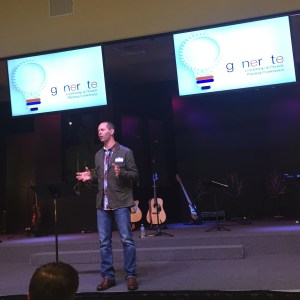
- Shawn Lovejoy
“Build in the Beginning What You Want in the End” – Basic Training for #ChurchPlanting Recap
 Finished up our first Basic Training for Church Multiplication event yesterday in Louisiana. Two more events coming up this year. Basic Training serves as a workshop overview of systems that need to be in place for a church to get off the ground & sustain flight toward evangelizing a community for Christ. A study of recent church plants in Louisiana shows that planters that take advantage of some kind of workshop training experience 45% higher attendance & 61% more baptisms in their first three years. Our trainings in Louisiana are free & include overnight accommodations & three meals. And feel free to bring your team. If you can’t make it to these & are in the midst of planting a church, find a boot camp, school of church planting, or significant training event to plug into.
A few highlights:
- Understanding the soil in which you are planting – spiritually, socially, and culturally – is crucial to the effectiveness of your church plant.
- Just like farming, there are two activities for church planters: cultivating and planting. If you do the right thing in the wrong season, you get zero results.
- Vision is nothing if it’s not rooted in human problem and growing toward God’s glory. ~ Will Mancini
- You won’t do ministry that really matters until you define what really matters ~ Aubrey Malphurs
- Three keys to church planting: Gather, Gather, Gather.
- Healthy churches have a healthy culture that is created and facilitated by healthy systems.
- Most new members in church plants don’t go from 0% to 10% in giving right away. That’s a path we must lead them down.
- Church Multiplication is a spiritual decision of a local church to put the needs of a desperate world before self-preservation. ~ Stephen Gray

-

- Lonnie Tucker, Stillwater Baptist Church
-
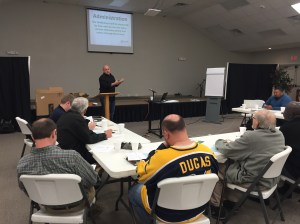
- Scott Cheatham, The Way Church
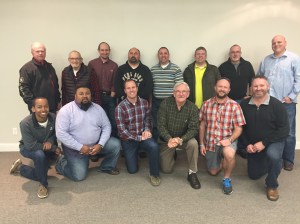
Pray for Great Kingdom Church – Hammond, Crossroads Church – Kenner, Stillwater Church – New Orleans, Downtown Church – New Orleans, Life Point Church – Plaucheville, Life Point Church – Simmesport, Hope Church – Chauvin, Bridge Church – Covington, & three yet to be named projects.
#ChurchPlanting Hack: 18 Proven Ideas for Engaging the Community and Planting Seeds
 When starting a new church or wanting to impact a community for Christ through evangelism, scattering seeds should be one of your primary missions. On Church Planter reports we ask for the # of contacts made each month. No coincidence that often the church plant with the most salvations and baptisms is also the one with the most contacts made in the community over the course of a year. That’s not always the case at first, because some communities will take more of the spiritual work of cultivating the ground through prayer and serving before seeds can be planted and harvest gathered. But if a church planter aggressively devises a strategy of seed scattering and planting, eventually a harvest can be expected (Psalm 126:6).
What is scattering seed for a church planter? Seed scattering is any activity that intersects believers &/or the gospel with the lives of people in the community. The more directly evangelistic the better. But considering that it probably takes 20 touches for someone to become a Christian, plan for activity that cultivates, plants, and draws the harvest.
Here’s 18 Proven ideas for engaging the community and increasing your contacts and seeds planted in your church plant:
8 Places of Engagement to Plant Seeds and Cultivate Relationships in Your Community #ChurchPlanting
 In Church Planting, the ability to see the possibilities for relationships, ministry, & engagement in the community will determine much for the church’s future impact in the community. Engaging the community is fun, easy in most places (especially in the south), & can lead to many seeds planted, if you’re willing to risk & build relationships.
Here are 8 Places of Engagements in almost every community that I’ve found WIDE OPEN to relationship with a church. This is a continuation of the series Planting Seeds & Cultivating Relationships in Church Planting (Part 1, Part 2).

Members of Stillwater Church in Hammond pass out healthy snacks to kids getting off the bus at a local mobile home park.
11. Multi-Housing Communities – Multi-Housing Complexes offer many potential points of contacts with all different kinds of people. One easy, low cost, highly relational way to make some people smile & start a conversation is to pick up some boxes of snacks & juice boxes & setup at a common bus stop at an apartment complex or trailer park after school. Our church does this the week before kid friendly events that we’d like to promote. Stillwater Church in Hammond has seen a new church birth, utilizing the after school bus stop as a primary way to make connections in two large mobile home parks in their area.
12. Community Agencies – Council on Aging, Volunteers of America, Boys & Girls Club, Local Fire Dept., Local Police Dept., Town Council, local Crisis Pregnancy Center, Mayor’s offices, local utility companies, Easter Seals, Special Olympics, Habitat for Humanity, Neighborhood Revitalization committees, local Work Release Program. These are a handful of the community agencies that our church plants have worked with that exist in almost every community in North America. Great partners, often looking for volunteers, & often wondering why churches don’t offer to help. And believe it or not, we’ve found no problems from most community agencies with the expectation that we as a church would also be sharing the gospel with people we serve. Projects, partners, points of contact with the community is a phone call away.
13. Area Daycares – Private daycares are often open to allowing churches to make contact with families they serve. We have built relationships with daycares in our area that have allowed us to come in & do Gospel centered activities with kids. We also send posters & invites to any kid friendly special event (Easter Egg Hunt, Trunk or Treat, etc.) to local daycares & have found that many of them will post them on a bulletin board & some will pass them out to parents picking up their kids. Start by making a list of area daycares & consider including them in service opportunities & invites to special events.
14. Rec Fields – Another great way to both invest in the community & get some name recognition is to get a sign on the fences of local recreation fields. $200-500 can get your logo, name, website in front of a large % of unchurched people in your community. And the interaction with key leaders in the recreation programs can be a great thing for your personal network as a church planter as well. I’ve also seen churches serve rec fields in other ways: Inflatables & face painting on opening day, free snow cones, free souvenir pictures. I’ve also thought about the possibility of offering a Sunday morning worship time at our local ball field with 100’s pouring in every weekend for travel ball leagues.

Bridge Church in Madisonville, doing free balloon animals & face painting at a local festival in 2014.
15. Community Festivals – In Louisiana, there is some kind of festival going almost every weekend. Festivals offer a variety of opportunities for churches to engage the people of the community. First & maybe most importantly, the impact of getting to know leaders of festivals on most occasions also means getting to know key leaders in the city or town. Getting involved lets them know that you’re on their side & want to see the community succeed. A few ways that I’ve seen churches reach out to festivals: Serve by picking up trash all day, Face Painting, Kids Games, sponsor entertainment, Free Souvenir pictures, Festival volunteers, Setup & tear down. Many other ways to engage people. Remember your Invite Cards (see part 1), go unselfishly to serve the community, & have fun! Louisiana Festivals are the best!
16. Funeral Homes – Outreach to funeral homes? As a brand new church planter in the community, as I was networking, I stopped by several area funeral homes with a card & an offer to preach the funeral for anyone that didn’t have a pastor already. To my surprise, I soon found myself doing 4-5 funerals every week. Which proved to be emotionally exhausting, but served as a great way to connect with families at a time they needed the Gospel & relationships built around faith more than ever. People will NEVER forget you, when you’re able to be there with them in the valley of the shadow of death.
17. Community Networks – A network is a group or system of interconnected people. They are everywhere in your community & most are ready & willing to connect new people to the group. Get your church plant involved in the local Chamber of Commerce. Most have a Non-Profit membership stream & I’ve found that they love having churches involved. Early on in the life of one of our church plants, I joined what was called a BNI, or Business Network International. People paid to join a group that commits to help each other promote their respective businesses. They loved having a church in the group. Made all kinds of connections in that network. Church planting is about networking & you don’t have to recreate the wheel at the outset. Join the community networks & relationships will lead to seeds planted & opportunities to share the Gospel.
18. Local Hospitals – In the New Testament, we see Jesus often ministering to people at the point of illness, disease, & grief. There are several ways that a church plant can engage people at this point of need. Find out if the hospital has a volunteer chaplain program. In my community, our local baptist association has built this bridge to several local hospitals & pastors & lay people are trained & empowered to meet needs through chaplaincy work. Stock the Waiting rooms. Waiting rooms can be lonely, cold places. Get permission to put fruit baskets, magazines, fresh donuts, Bibles, or whatever you can in the waiting rooms. And don’t forget the gift of presence. Drop by & give the gift of a listening ear & encouraging words. One of my favorite servant evangelism projects is pick up a handful of gift cards to the nearest restaurants & drop by the ICU waiting room & give them away. Remember, this ministry is not about you! Only go if you can realistically put the needs of others first. This can be a great ministry for those with the gifts of mercy in your church plant.
What other Places of Engagement would you add to this list?
Assessing the Need for New Churches in the Seemingly Over-churched South #churchplanting
 A common question I’m asked as a church planter and strategist: “Why do we need new churches when we have so many already?”
Stated in other, more direct ways:
- “We’ve got that area covered already, there’s no need for a new church.”
- “Planting a new church will make Pastors in the area feel unappreciated or like they’re not doing their job.”
- “Why plant a new church when my church needs so much help?”
- “Do we really need another ‘little’ church in this area?”
- “Won’t a new church just take resources from other churches.”
- “Don’t most new churches fail anyway?”
These can be legitimate concerns, when brought with a kingdom mind set, and these concerns should be addressed by strategists and planters in the planning process. I’d really like to work through each of these concerns individually at some point but now I’m asking, what are the right questions and the key indicators of the need for new churches or ministries in the seemingly overchurched south?
- Is the community being transformed for the good or bad? Instead of starting by looking at ourselves (i.e. the existing churches in the community), maybe we should take a look at what’s happening in the lives of people in the area. Church planting should start with a desire to see the community transformed by the gospel. Is it happening as we need it to? Are we willing to admit that the task of transforming our community may be more than one church can handle? Are we committed to life change at all costs?
- Are there places where the Church is not? Flowing out of the first question, what do we find when we look at spheres of influence and places of engagement in the community? Are churches able and willing to engage the local schools, multi-housing complexes, business communities, correctional facilities, chat rooms, neighborhood associations, etc.?
- Are there population segments or people groups that are not being touched by the Gospel? Next, are there language, socioeconomic, or lifestyle groups, that are not being touched adequately by a consistent Gospel witness?
- What is God stirring up in and for this community? God is in the world reconciling people to Himself (2 Corinthians 5:17-21). What is He doing in this community in that regard? When our Father’s work includes stirring the heart of a church to multiply and send out its own to start a new church or launch a new campus or reach out to a population segment, we should not oppose what He is stirring. We can assess if this is a genuine call from God or a call to disgruntlement or if it is born out of divisiveness. We can also hold our planting teams accountable to be agents of transformation not division, focusing on where the church is not, and reaching out to unreached peoples.
Many Pastors, me included, tend to think about a new ministry or church through the lens of what it may cost us. What if we thought about it in terms of the great cost to those who may never hear the Gospel, or those who are going through life without the joy of a relationship with Christ, or those who are going through life’s challenges without a family of believers who can love and provide for them along the way? Can we look honestly at our communities and see the need and God’s activity if it’s there and then partner together to plant for God’s glory and the good of our communities?
Are there other good questions and key indicators as we plan to plant the Gospel in North America?
Get started on your church planting journey:
- I think I want to Plant a Church, What Now?
- 5 Things You Must Do Before You Plant a Church
- 10 Biblical and Practical Ways to Get Involved in Church Planting
- Every Church Can Encourage Church Planting & Multiplication
- Every Church Can Be A Church Planting Partner
- Your Church Can Be A Parent to A New Church or Campus
#ChurchPlanting Hack: The Stewardship System
 This week our church is sending out the Annual Contribution Statements to our 2014 contributors & church members. This is part of a healthy Stewardship System designed to make disciples that are generous givers to the kingdom ministry that is their local church. A contribution statement is a simple report of the households giving to the church & its ministries over the previous year. Many churches do this on a quarterly basis as well. Our statements include a letter from one of the leadership team (2014 Contribution Letter) as well as an offering envelope. We’ve also included the annual church budget in the packet before. It’s a great reminder of the responsibility we have as disciples to be good stewards.
Check out this years Contribution Letter from our church.
Here’s a simple outline of what a beginner Stewardship System should look like for a new church:
- Provide a variety of avenues for giving to your church. Online Giving, Bank Draft, ACH Online Bill Bay, Sunday Morning Offering Box/Basket/Plate, Offering Envelopes. With people attending church less often than ever before, offering more than just the Sunday Morning Offering time for people to give is necessary.
- Use an Offering Counting Sheet to record each weeks offerings. At least two people should count, and the planter/pastor should be one of them only in case of grave emergency. When possible a third person should make the deposit. Integrity in counting & depositing boils down to a solid paper trail that tracks every cent. A counting sheet is the best tool for this.
- Get a good cloud-based Church Management System & input the data from each counting sheet every week. Popular ones are Fellowship One, The City, ACS, Church Community Builder. These can be costly but worth it. You sponsor church may allow you to use theirs for awhile. A good CMS is an important time saver for your Stewardship System because it allows for quick printing on Contribution statements & mailing labels to deliver them.
- Teach that good stewardship of God’s gifts & resources (time, talent, treasure, property, etc.) is part of being a follower of Christ. Paul told the disciples at Corinth, “I don’t want what you have–I want you” (2 Corinthians 12:14). The Stewardship System shouldn’t just be about the needs of the church budget, but it should be about discipleship. As people become more like Christ, they should become more generous & live by kingdom principles in spending. This probably will positively effect the church budget, but that should be secondary to our desire for people to live like Christ.
- Model generosity & good stewardship as a leader & as a church. “You won’t be able to lead anyone somewhere that you’re not willing to go yourself.” The Church Planter/Pastor should lead the way as a faithful, generous steward. And the church should model generosity through regular missions giving & radical generosity in the community. Recently read: “If a person is self-focused, we call them selfish. If a church is self-focused, we call it normal.” via @cnieuwhof. We should model what we want others to become.
- Report regularly & transparently to the congregation through individual contribution statements & church budget reports. Contribution Statements & Budget Reports can serve as report cards for Disciples & Churches on the journey to Christ likeness.
What else would you include as part of a churches Stewardship System?
A couple of favorite resources on this subject:
#ChurchPlanting Stories from the Weekend
 Baptisms yesterday down on the Bayou at Crosspoint Church, planter/pastor John Boss. John also leads FBC Grand Isle & it’s resort ministry (http://ow.ly/HzkUp). Check them out for your retreats or bayou mission adventure.
Only 1.3% of the Bayou Baptist Association population (Lafourche, Terrebone, & part of Jefferson parish) attend worship in an SBC Church. Both are listed in http://www.thearda.com‘s top 15 of least evangelical parishes in Louisiana (Lafourche only 6%, Terrebone only 11%).
Planters & Partners are needed. Director of Missions Joe Arnold, bayoubaptistbj@bellsouth.net to get started.
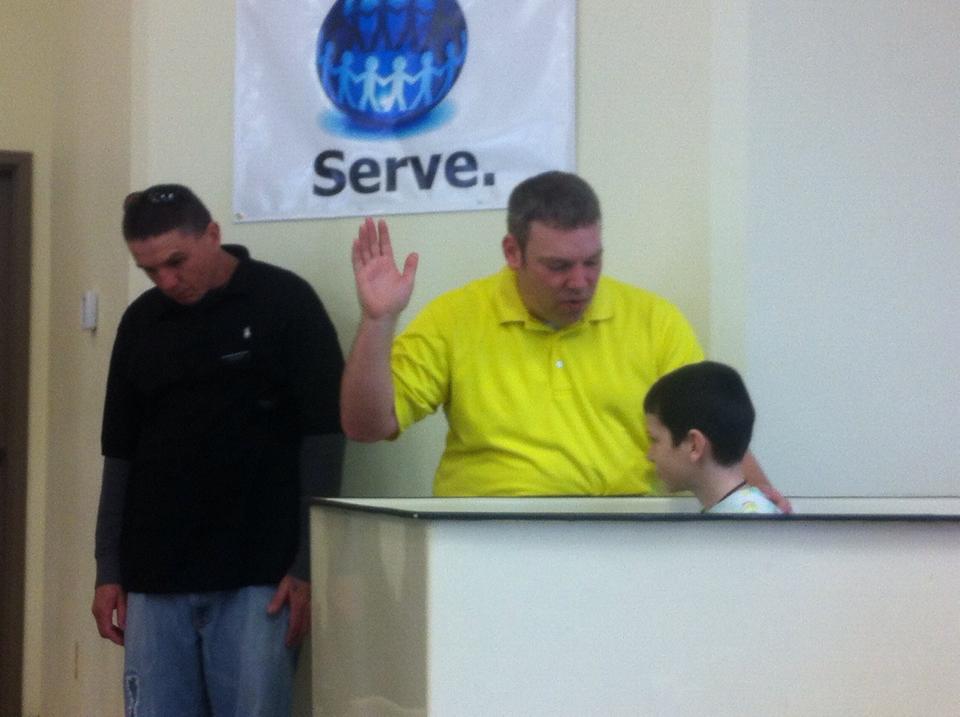 More baptisms at Life Point Church, Mansura yesterday. Planter/Pastor Jacob Crawford. Jacob will be part of our Teaching Team for Basic Training for Church Planting this year (Register Here).
A few things I’m hoping to learn from Jacob is: How do you start an evangelism movement that leads to over 100 baptism in 3 years in a hard to reach area? How do you start a church that looks like the community you’re planting in (40% Black, 60% white)? A lot of us talk about evangelism based & multi-ethnic church planting. Life Point has done it. Join us for Basic Training & get to know Jacob Crawford.
 “Do not despise these small beginnings, for the Lord rejoices to see the work begin” Zechariah 4:10. West Bank Baptist Church & Planter Ryan Melson have been reaching out for 6 months now. Ryan & his wife Michelle have done a great job building partnerships & laying a foundation. Looking fwd to seeing what this pic looks like in the next six months.
Pray for Westbank Baptist Church. Follow Ryan & Michelle’s Church Planting Journey HERE. Sponsor Church is Cedar Crest in West Monroe.
Cross Creek Cowboy Church in Zachary, Planter Josh Morris, hosted over 100 for their Open House in their new facility yesterday. Last year Cross Creek baptized 14 with 14 more salvations. Grateful for what God is doing across Louisiana through Cowboy ministries & churches.
 The Way Church of Denham Springs held their official Grand Opening of their new facility yesterday with standing room only crowd. Planters Josh Spinks & Scott Cheatham. The Way has baptized over 100 in their first three years & they’re already sponsoring a new church in a neighboring community.
Let me know if you’d like to know more about church planting in Louisiana or about connecting with any of these five church plants for a missions partnership.
Check out these articles on getting ready to plant:
- I think I want to Plant a Church, What Now?
- 5 Things You Must Do Before You Plant a Church
- 10 Biblical and Practical Ways to Get Involved in Church Planting
- Every Church Can Encourage Church Planting & Multiplication
- Every Church Can Be A Church Planting Partner
- Your Church Can Be A Parent to A New Church or Campus
5 More Proven Ways to Plant Seeds and Cultivate Relationships in #ChurchPlanting
“Don’t judge each day by the harvest you reap but by the seeds that you plant.” Great reminder for the church planter or leader who is trying to get momentum behind the effort to reach their community for Christ. Our failure is often a failure of ideas & imagination when it comes to outreach, so I’m sharing some practical ways that I’ve seen work in Louisiana in hopes that your church will increase the number of seeds that it scatters across your community.
The first 5 I shared last week HERE.
- Invite Cards
- Direct Mail
- Facebook Page
- Facebook Ads
- School Newsletters.
Here’s 5 More:
6. Radio Spots – Average commute times in Louisiana are from 15 to 40 minutes. For most of those, the radio will be on for at least some of that time. Many radio stations offer some type of free bulletin board for community events, so if you doing something worth inviting the community to, give them a call. And radio ads can be surprisingly affordable with local stations. It’s a great way to support the local Christian radio station, but don’t just do Christian radio. On second thought, send a check to Christian radio & run your ads on the local secular stations.
7. Door Hangers – Door to door is still a great way to spread info & plant seeds. And studies in Louisiana have shown that a majority of people are open to door to door visits from churches. We’ve found a printer in our area that will print ready to hang door hangers for us. We’ve also ordered clear bags to put info in for hanging on doors, which makes them a little more weather proof. Works best for the time commitment in densely populated areas. Rules of thumb: Beware of dogs. Don’t be a jerk & ignore posted subdivision loitering rules. Expect at least one call from somebody that says, “HEY, DON’T EVER COME ON MY PROPERTY AGAIN OR I’LL @&%$#?…” Shake your head & move on. There’s always one.
8. T-shirts – Well-designed, eye-catching T-shirts can create more conversation than most other forms of advertising. Nothing else I can do in outreach gets more people to come up to me & say “Do you go to that church?” – “Is that church around here?” – “That looks like an interesting church” – “Where is your church?” Make T-shirts that people will want to wear & give them away if you can. And don’t forget to train people on what to say WHEN, not if, they are ask about your church when wearing a T-shirt.
9. Service Projects – Finding a need & meeting it has ripple effect potential for your ministry. You find someone that needs help & serve them, that’s a great kingdom contact in & of itself. And a kingdom win, is a win period. You also have to get others involved in using their gifts & abilities for ministry which helps them grow their kingdom eyes. Our church has used Wheelchair ramp building in this way. When you get a good service project you can also increase the ripple by inviting the community to join in. We’ve even ran radio spots (see above) about upcoming projects inviting others to contribute & participate. Continue the ripple by posting pics on Facebook, sharing the story with a follow-up video, etc.
 10. Block Parties – A great way to gather people, cultivate relationships, plant seeds, & share the gospel is to throw a party. Mix free food, loud music, & an inflatable or two & you can be about meeting new people in almost any neighborhood in Louisiana. Another popular variation of an outreach friendly Block Party would be an Outdoor Movie Night in a city park, subdivision common space, or backyard. Also, you can use holiday’s, big national sporting events, & birthday parties to throw a party, invite everyone you know, & find ways to cultivate relationships & move them closer to experiencing the gospel of Jesus Christ. Check out this post on Why Block Parties & the How to Manual for Block Parties that our church put together.
What are other ways that you’ve cultivated relationships & planted seeds in your community?


 Lane Corley