Category Archives: Leadership
Worth Reading: A few Links
- Crabby Joe’s Mission Statement – “What’s with the mission statements? I cook the food – you eat the food – you pay for the food and then you go home. And you don’t make a mess!”
- How to Take Criticism Graciously – “Anybody can accept a reward graciously, and many people can even take their punishment patiently when they have done something wrong. But how many people are equipped to handle mistreatment after they’ve done right? Only Christians are equipped to do that.”
- What is a Missional Community? Loving these posts about Missional Communities.
- What Not to Do When You’re the New Pastor
- 44 Actions to Boost Your Energy
- Ten Most Significant Cultural Trends of the Last Decade
Links I Liked and Learned from this Week
- Trends in Church Planting by Ed Stetzer. “when churches plant churches, they model the principle of sowing and reaping and display a desire that God’s name and fame would be more widely known”
- Incredible pictures from Afghanistan!!! Wow!
- 31 Ways to Pray for Your Children
- Why I’m Deleting My Facebook – this one’s got me thinking. “I want to deepen in real friendship and community not chase dopamine bursts of false significance.”
- One Year To Live – A couple risk it all to revitalize a church in steep decline.
- Quest to be a Big Deal – “If you’re driven to become a ‘big dea’l missional pastor or if you’re driven to be a part of a church because it’s seen as a big deal chances are you have an idolatry problem.”
Are You A Transformational Leader?
Had the privilege of attending a Transformational Church seminar several weeks back with Bruce Raley from Lifeway. This list really has stuck with me ever since:
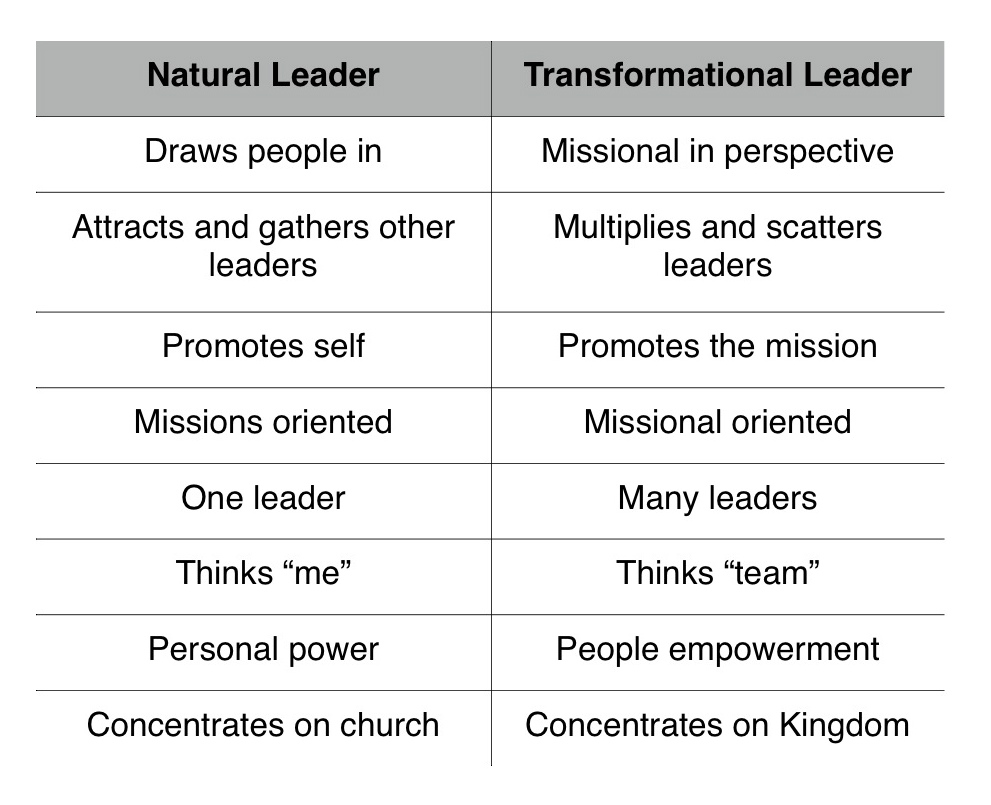 Check out the book Transformational Church by Ed Stetzer and Thom Rainer.
Measuring Success in Church
How do you measure success? Standard measures for success in church life is “How many? How much? How often?” That is, how many showed up, how much did it cost, how much was given, and how often did they return. Reggie McNeal’s latest book Missional Renaissance: Changing the Scorecard for the Church is about shifting measurements and posture of the church to reach new generations. Here’s a list from Eric Swanson of different measurements for success in church life that sets my imagination running wild:
- The number of cigarette butts in the church parking lot
- The number of adoptions people in the church have made from local foster care
- The number of pictures on the church wall of unwed mothers holding their newborn babies in their arms for the first time
- The number of classes for special needs children and adults
- The number of former convicted felons serving in the church
- The number of phone calls from community leaders asking the church’s advice
- The number of meetings that take place somewhere besides the church building
- The number of organizations using the church building
- The number of days the pastor doesn’t spend time in the church office but in the community
- The number of emergency finance meetings that take place to reroute money to community ministry
- The amount of dollars saved by the local schools because the church has painted the walls
- The number of people serving in the community during the church’s normal worship hours
- The number of non-religious-school professors worshiping with you
- The number of people wearing good, free clothes that used to belong to members of the church
- The number of times the church band has played family-friendly music in the local coffee shop
- The number of people who have gotten better because of free health clinic you operate
- The number of people in new jobs thanks to the free job training center you opened
- The number of micro-loans given by members in your church
- The number of churches your church planted in a 10 mile radius of your own church
Read the whole article here.
What are some other measures of success that you would add to this list?
Filed Under, “Don’t Be This Stupid”
The leadership blunders of Ahab may seem far removed and unlikely for you and I, but actually they’re not. I’ve been reading/studying through the kings of Israel this year and finding much instruction in the messed up ones as to what to avoid as a spiritual leader. Lest I fall, I’m staying on guard for these in my life:
Idolatry: Ahab ignored the Word of God and turned to idolatry – 1 Kings 16:29. His desire and worship was divided and weighted toward self and other gods. Reminder for me as a church leader that success and growth can be an idol. Worship Jesus only. No evidence that his heart changed even when God showed up and demonstrated that his other gods were bogus – 1 Kings 18. Question: Is my heart wholly God’s or am I pursuing idols of my own making?
Unwise Associations & Lack of Teachability: Ahab demonstrated an absent of wisdom in relation to the people he gathered around him, which is most evident by his marriage to the manipulative, Baal worshipping Jezebel – 16:31. But also, prophets in his court were only rewarded by saying what Ahab wanted to hear and eventually were just handed over by God to a lying spirit. Honesty and honest counsel were not desired or valued by Ahab, so he didn’t notice. He did notice when someone disagreed with him or made him look bad, even when it was for his good. Question: Am I able to hear honest counsel and do I value those who will say the hard things to me in regard to my leadership and organization?
Blindness: Ahab blamed others when things went bad for the nation – 1 Kings 18:17-18. During a season of drought brought on because of his disobedience, he pointed the finger at the messenger, Elijah, instead of considering his part in the divine intervention regarding the nations idolatry and distance from God. Question: Am I blaming others for what I could have controlled? Am I blaming others instead of working toward solutions?
Covetousness: In greed, Ahab coveted another man’s possessions and success, even when he himself had far more than this one man – 1 Kings 21:4. Like a child, he pouted and only found relief and contentment after learning of the man’s deceitful demise and death. Question: Am I coveting the success of another instead of planting for success in my own vineyard? Is there anyone that I am passively wishing evil for?
Passivity: Ahab allowed himself to be incited by his evil wife, Jezebel – 1 Kings 21:25-26. Instead of leading and doing the right thing, he allowed himself to be led into some of his stupid mistakes by others. As leaders, who we listen to and trust is most important. Passivity is the attitude that comes with lack of concern and self-centeredness. His passivity allowed him to look the other way while Jezebel plotted murder. It also led to a smile when the person that stood in the way of his own desire was unjustly killed. Question: Am I leading or being incited by the most vocal around me? or by the desire for “success”?
Product: One of the scariest quotes about being a parent and leader to me is: “You teach what you know, but you reproduce who you are.” Ahab reproduced what he was – 1 Kings 22:51-53. Question: What is the product of my life? What are others becoming because of my influence? How will my actions today affect the next generation?


 Lane Corley